Furnace repair
Ignitors, flame sensors, blowers, control boards, gas valves and safety switches on gas, propane, electric and heat pump systems.
Call about furnace repairNo heat? Call and get connected with an independent local furnace repair provider in Bend, Oregon. Gas, propane, electric and heat pump systems. The connection is free for homeowners.
Furnace repair is the diagnosis and fix of a heating system that has stopped heating, blows cold air, short-cycles or fails a safety check. Whether you call it furnace repair, heating repair or HVAC service, the work starts with the same step: finding the real cause. Call to be connected with an independent provider for any of the services below.

Ignitors, flame sensors, blowers, control boards, gas valves and safety switches on gas, propane, electric and heat pump systems.
Call about furnace repair
No heat, cold air, short cycling, noises and smells. Learn the likely cause before you call.
Call about a furnace problem
What drives furnace repair cost in Bend and when replacement makes more sense. Ask providers for written estimates.
Call about repair or replace
Annual tune-ups that check burners, ignitor, heat exchanger, venting and blower before the first freeze.
Call about furnace maintenance
High-efficiency furnaces, electric furnaces and dual-fuel systems. Ask providers to size equipment with a load calculation.
Call about a new heating system
Cold-climate heat pumps and ductless mini-splits: repair, tune-up and replacement.
Call about heat pump service
Most failures trace back to a short list of parts: the ignitor, flame sensor, blower, control board, filter, thermostat or a safety switch.
Likely cause: failed ignitor, dirty flame sensor, thermostat on "on", clogged filter or tripped limit switch. A qualified provider can test the ignition sequence and find the failed part.
Call about no heatLikely cause: restricted airflow, a dirty flame sensor, a faulty limit switch or an oversized furnace. A provider can measure airflow and temperature rise.
Call about short cyclingBanging suggests delayed ignition or dirty burners. Squealing points to blower parts. Rattling can mean loose panels or a failing inducer motor.
Call about furnace noisesLeave the home and call your gas utility or 911 first. Once the home is safe, call to be connected with a provider to inspect the heat exchanger and venting before the furnace is restarted.
Call about a safety concernLikely cause: dirty filter, leaking ducts, failing blower or an aging low-AFUE furnace. A provider can measure airflow to show where heat is lost.
Call about high energy billsLikely cause: tripped breaker, dead thermostat batteries, door switch, failed transformer or bad control board. These are usually quick checks for a qualified provider.
Call about a furnace that will not startYou always know what happens next and what needs your approval.
A representative asks about your symptom, furnace type and location, and about any safety concern, then connects you with an available local provider.
The provider tests thermostat signals, ignition, flame sensing, airflow, gas pressure, venting and safety switches to find the actual cause.
Ask the provider to explain the cause and the options, and to put the estimate in writing. You decide whether to approve the work.
The provider completes the repair. Ask how the system is tested afterward and what warranty, if any, the provider offers.
A simple ignitor or flame sensor repair usually costs less than replacing a blower motor, control board or heat exchanger. Age, efficiency and repair history decide whether a bigger repair is worth it.
| Situation | Usually best | Why |
|---|---|---|
| Furnace under 12 to 15 years, standard failed part | Repair | The repair is a small fraction of replacement cost. |
| Furnace 15 years or older, repeated repairs | Consider replacement | Repair costs add up and efficiency is lower. |
| Cracked heat exchanger | Replace in most cases | Combustion gases can reach household air. Carbon monoxide risk. |
| Want heating and cooling in one system | Consider a heat pump | Cold-climate and dual-fuel setups can suit Bend. Rebates may apply. |
Bend sits on the Deschutes River at about 3,600 feet, east of the Cascade Range. Freezing nights and a long heating season mean a furnace here works harder than in a milder climate.
| Local factor | What it means for your furnace |
|---|---|
| Elevation near 3,600 ft | Thinner air affects gas combustion. Burner setup, gas pressure and venting should follow the manufacturer's altitude guidance. |
| Long, cold heating season | Overnight freezing is common from fall through spring, so ignitors, blower motors and capacitors wear sooner. |
| Dust, pollen and wildfire smoke | Filters clog faster. A restricted filter is a leading cause of overheating, short cycling and limit switch trips. |
| Frozen condensate lines | High-efficiency furnaces drain water through a PVC line that can freeze in an unheated garage or crawlspace and shut the furnace down. |
| Fuel and utility | Many Bend homes use natural gas from Cascade Natural Gas. Others use propane, electric furnaces or heat pumps. |
| Permits and code | Furnace replacement generally needs a mechanical permit through the City of Bend, or Deschutes County outside city limits. Ask your provider who handles the permit. |
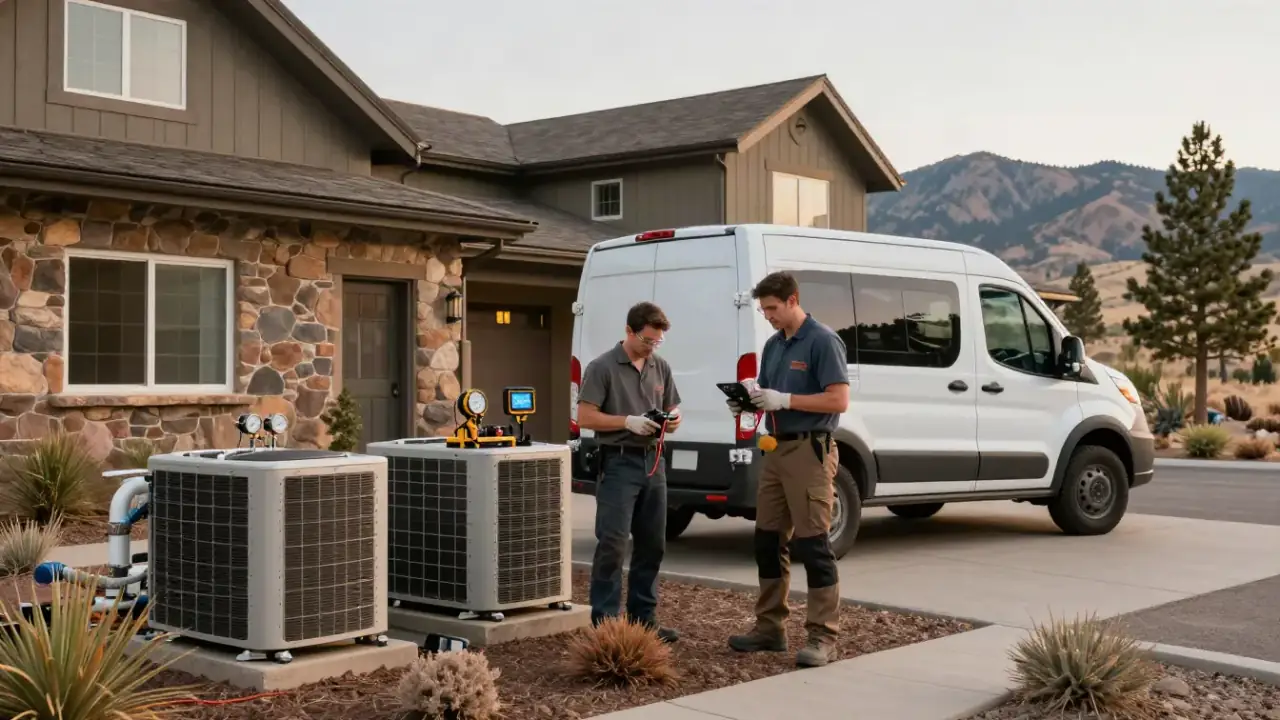
This free service connects homeowners with independent local providers across all of Bend, Oregon, plus nearby communities. Availability depends on provider location and call volume, so call to confirm for your address.
Searching for furnace repair near me? Call (541) 652-0344 and a representative connects you with an available provider in Bend or a nearby community.
Cost varies by provider and depends on the failed part (ignitor, flame sensor, blower motor, control board, inducer motor or heat exchanger), the furnace brand and age, and the time of day. Each independent provider sets its own prices, so ask for a written estimate before work begins. This website does not set or guarantee prices.
A furnace blows cold air when the burners do not stay lit or the system cannot reach heating mode. Common causes are a dirty flame sensor, a failed ignitor, a clogged filter causing overheating, a thermostat set to "on" instead of "auto", a tripped limit switch or an interrupted gas supply. A qualified technician should test the ignition sequence and safety switches.
Repair is usually the better choice when the furnace is under 12 to 15 years old and the repair costs far less than a new unit. Replacement is worth considering when the furnace is 15 years or older, the heat exchanger is cracked, repairs keep recurring or heating bills are climbing. Ask providers to explain both options and put the estimates in writing.
The call line is open 24 hours a day, 7 days a week, including holidays, and connects you with an available independent provider. Response times and same-day availability depend on the provider, your location and call volume.
Leave the home immediately, do not use switches or phones inside, and call your gas utility or 911 from outside. Do not try to relight or repair the furnace. Once the home is declared safe, call to be connected with a local provider to inspect the furnace, venting and heat exchanger.
Call (541) 652-0344 any time. A representative asks about your furnace and location and connects you with an independent local provider. Calling is the fastest way to reach one for a no-heat emergency.
No. This is a free service for homeowners. The providers you are connected with are independent businesses that set their own prices and terms.
Providers are independent local HVAC businesses. They are not employees, agents or affiliates of this website. Verify each provider's license and insurance, and get a written estimate before you hire.
Once a year, ideally in early fall before the heating season. A tune-up inspects the burners, ignitor, flame sensor, heat exchanger, blower, venting, filter and thermostat, and helps prevent mid-winter breakdowns.
Many independent providers service major brands such as Trane, Goodman, Carrier, Lennox, Rheem, Bryant and York, as well as heat pumps and air handlers. Ask whether the provider services your brand and model when you are connected.
Energy Trust of Oregon and local utilities have offered incentives for eligible heat pumps and high-efficiency equipment. Programs, amounts and eligibility change often, so confirm current offers with Energy Trust of Oregon before you buy, and ask your provider which equipment qualifies.
Often, yes. This service connects homeowners across Bend and nearby Central Oregon communities including Tumalo, Redmond, Terrebonne, Sisters, Sunriver and La Pine. Availability depends on provider location and call volume, so call to confirm for your address.
The call line is open 24 hours a day, 7 days a week, including holidays. Call (541) 652-0344 and a representative connects you with an available local provider in Bend or a nearby community.
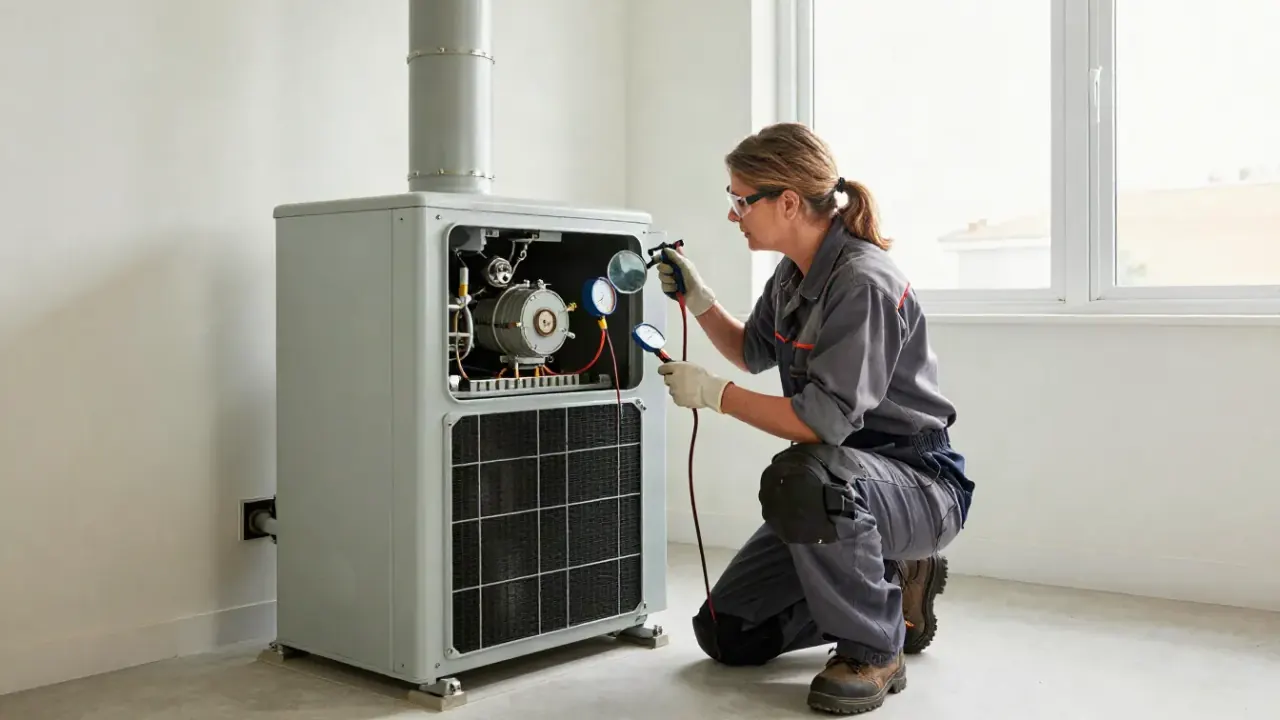
Call any time and get connected with an independent local furnace repair provider in Bend or a nearby community. The connection is free for homeowners.
(541) 652-0344